The Heatwave Will Expose Your Leadership
Why this week’s heatwave will test your leadership, planning and people management
Some of you are reading this from an air-conditioned office, laptop open, fan on, vaguely aware that it’s sweltering outside.
Others are running warehouses, kitchens, care services, construction sites, retail stores, or manufacturing environments where working from home simply is not an option. Some have offices without mod cons like air con. And this week, that distinction matters a great deal.
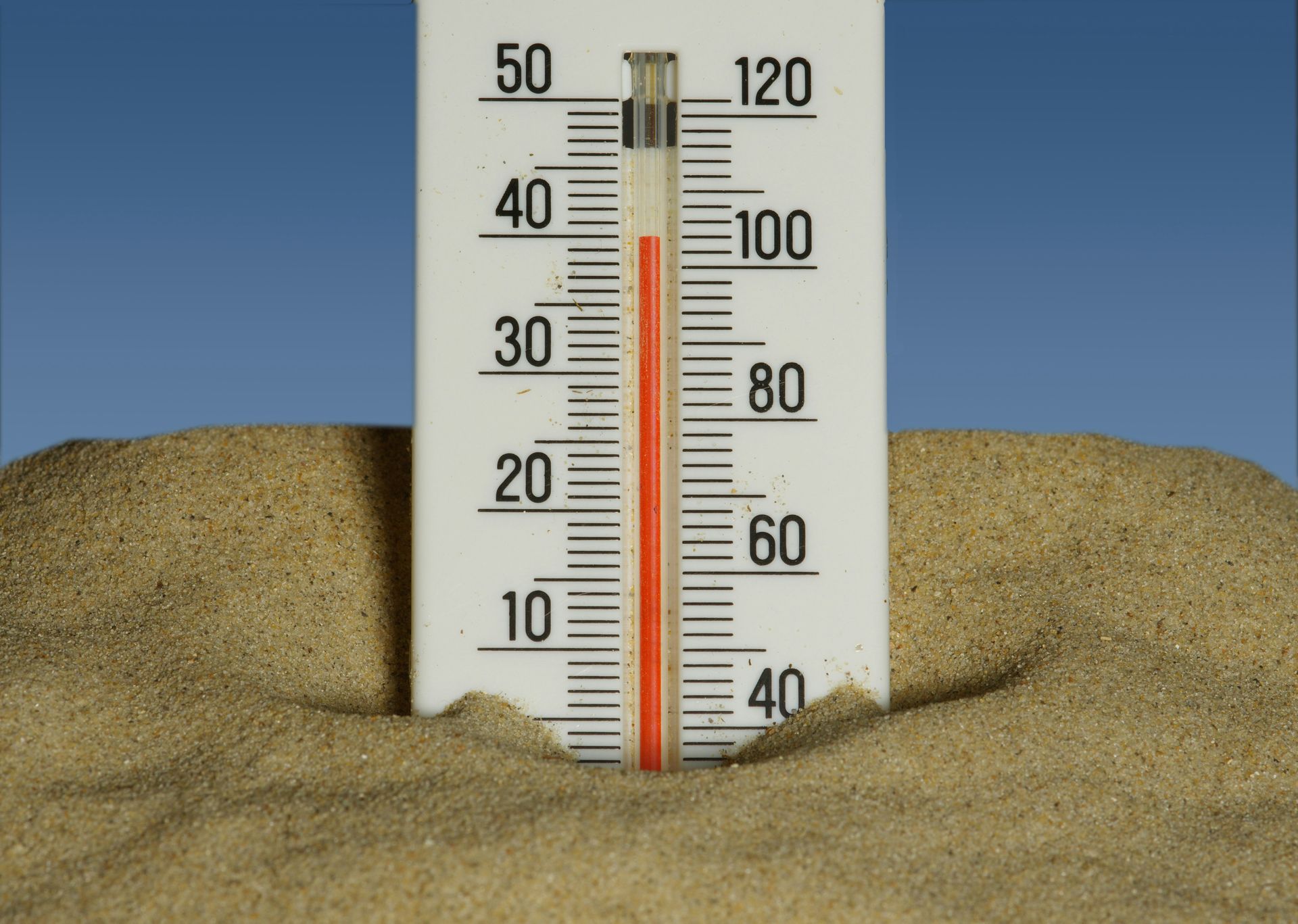
With temperatures predicted to break UK records, potentially exceeding 40°c, many businesses are about to face a people management challenge they rarely encounter in the UK.
The question is not whether it’s too hot to work.
The question is how you keep people safe, productive and committed when conditions are far from ideal.
The Myth: “There’s No Maximum Working Temperature”
Most business owners know this one. There is no legal maximum temperature at which employees can refuse to work. Technically, that’s true.
But it misses the point entirely.
Your legal duty is not about hitting a number on a thermometer. Health and safety regulations require you to ensure that the temperature in your workplace is reasonable. You are required to assess workplace risks, including temperature, and put appropriate controls in place.
When someone is working in a kitchen already running at 30°C before the weather even kicks in, or lifting stock in a warehouse all afternoon, the risk profile looks very different to someone sitting in a cool office.
The question shouldn’t be “Can I make people work?”
It’s: “What do I need to do to help them work safely?”
The Hidden Cost Most Businesses Overlook
The obvious risk is heat exhaustion. The hidden risk is everything else that comes with that. When people are hot, uncomfortable and tired:
🌡️ Concentration drops
⚠️ Mistakes increase
😤 Patience wears thin
💬 Conflict becomes more likely
📉 Productivity falls
The employee who is already frustrated becomes more irritable. The customer complaint gets handled less well. The manager snaps in a conversation they would normally navigate calmly.
Heat does not create people problems. It amplifies the ones that already exist.
Different Businesses Need Different Answers
This is where a lot of employers get stuck. They hear advice like “allow people to work from home” and switch off, because that simply is not their reality.
If you’re running a non-negotiable attendance at the workplace business like:
🏗️ Construction teams
🍽️ Hospitality businesses
🏪 Retail operations
🏭 Manufacturing environments
🚚 Logistics teams
👩⚕️ Care services
You need to focus on what you can control:
✅ Start earlier where the work pattern allows
✅ Increase rest breaks during the hottest part of the day
✅ Ensure easy access to cold drinking water throughout the day
✅ Relax dress requirements where it is safe to do so
✅ Rotate physically demanding tasks
✅ Encourage managers to check in regularly, not just at the end of the shift
Small adjustments, consistently applied, make a significant difference. Showing you care is what will maintain commitment.
What Happens If Someone Refuses to Come In?
This is the question most managers are not prepared for.
The law does provide protection to employees who refuse to attend work if they have a reasonable belief that their workplace poses a serious and imminent risk to their health that they cannot reasonably avert. If you dismiss someone or withhold pay in those circumstances, you are likely to lose a future claim.
The key word is reasonable. If you can demonstrate that you have taken practical steps to manage the heat, that defence becomes much stronger. The measures you have put in place are not just good people management. They provide you with legal protection.
If an employee raises concerns, the right response is to explain what you have done to protect them and, where necessary, explore whether any further adjustments are needed given their individual circumstances. That is especially important for employees with disabilities or underlying health conditions, where the duty to make reasonable adjustments applies .
Document what you have done. It matters more than you might think.
When Schools Close: The Childcare Problem Lands in Your Lap
Schools closing due to extreme heat is not hypothetical this week. It is already happening. When a school closes at short notice, the immediate problem for a working parent is not the weather, it is childcare.
Here is what employers need to know:
📋 Employees have the right to unpaid time off for dependants
This covers unexpected emergencies involving a dependant, including a school closure. It is intended for short-term disruption to make arrangements, not extended leave. It is unpaid (unless your policy says otherwise).
🏠 Homeworking may be a practical solution (for some)
If the role allows it, letting a parent work from home while managing childcare is often the easiest answer for everyone. Be realistic though. Looking after children and working a full day are not the same thing. Flexibility on hours or tasks may be needed.
⏰ Holiday or annual leave is another option
An employee can request to take annual leave at short notice. You can agree to this even if it falls outside your usual notice requirements and in the circumstances, that flexibility is often appreciated.
⚠️ What you cannot do
You cannot punish an employee for taking legitimate time off for dependants. Disciplining or dismissing someone for doing so is automatically unfair, regardless of how long they have worked for you.
The practical advice? Have the conversation early. An employee who calls you at 7am because their child’s school has just announced it is closed needs a solution, not a policy. Help them find one.
Brief Your Managers
Your managers are likely to hear things like:
💬 “Can I go home? It’s too hot.”
💬 “Can I wear shorts / a vest / something cooler?”
💬 “Why does she get to work from home and I don’t?”
💬 “This is a health and safety issue. I know my rights.”
💬 “My child’s school has just closed. I need to leave.”
The answer is not to make decisions on the spot. It is to apply common sense consistently.
People do not expect perfection. They expect fairness and support. If your managers understand the approach you are taking and the reasons behind it, they are far more likely to handle challenges well. And far less likely to say something that creates a bigger problem.
Three Actions You Can Take Today
🌡️ Identify your highest-risk roles
Who will be most affected by the heat today, and tomorrow? Focus your attention there first. A quick conversation with a team leader and/or the individual before the shift starts costs nothing. Talk about how you can mitigate heat impact with them.
💧 Check your practical arrangements
Water, breaks, ventilation, shade and adjusted work patterns will have a bigger impact than any policy document. If you do not have these in place, sort them first.
👥 Brief your managers
Be clear about what flexibility they can offer, what decisions they can make, and when they should escalate, including on childcare. A two-minute briefing is worth an hour of firefighting later.
The Reality Check
Most businesses will get through this week without major incident.
But here is what I know from experience: the employers people choose to stay at are not the ones who had the best facilities. They are the ones who showed common sense and genuine care when conditions were difficult.
Your team will not judge you on the temperature outside.
They will judge you on how you respond to it.
And in a market where retaining good people is harder than ever, that response carries more weight than you might think.
Need support developing practical people management approaches that work in the real world? Get in touch to find out how I can help.